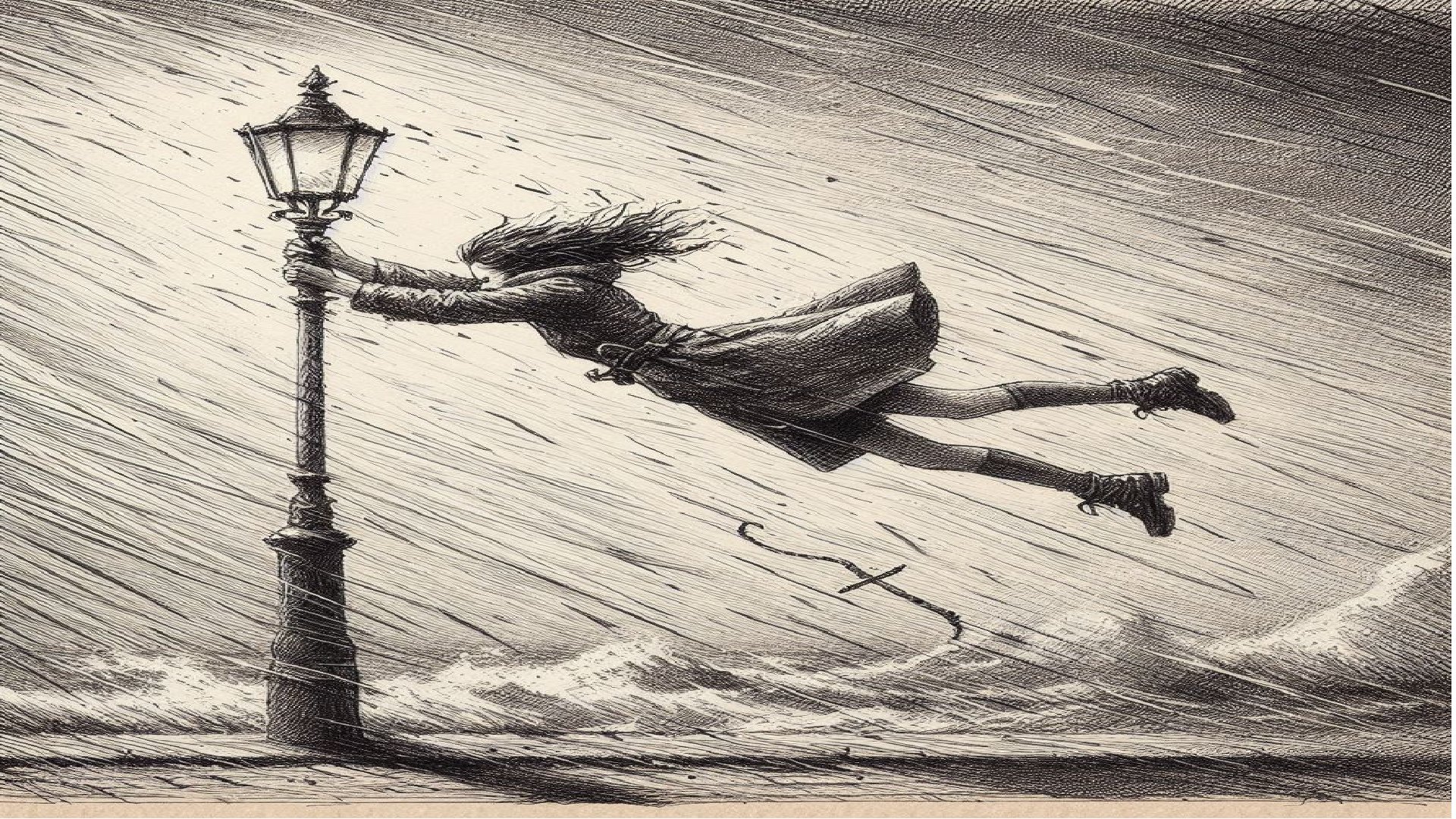
Several recent articles have caught my attention, and while covering seemingly disparate topics, actually served as catalysts for me to form some cohesive thoughts about a topic that I had been having trouble precisely defining. No more. Hence the title of this piece, “Can a Loyalty Program Solve for a Troubled Business Model?”
I have long wrestled with this concept. For example, I think back a number of years to when the CEO of one of our clients, a casual dining chain, had questioned the value of their rewards program in the face of a challenging economic climate. I came up with an analysis that showed that the strength of the program was keeping their sales flat, even as their competitors faced year-over-year declines. That seemed like good news, at least to the marketing department. Of course, flat sales are never good enough for Wall Street.
So what has helped focus my recent thinking? The first article (https://www.retaildive.com/news/davids-bridal-diamond-loyalty-customer-feedback-bride-influencer/732576/) is one that I typically would have passed over, but this time I spent time reading: a trade publication headline talking about David's Bridal and their loyalty program. Other than briefly wondering how that might work for a retailer that primarily supports a singular life event, I normally wouldn’t have gotten beyond the headline. (This is not intended to be a deep-dive critique into the strengths and weaknesses of that particular program, although I still wonder if it is fair to really call it a “loyalty program” when it is more akin to a group buying promotion…) Some creative thinking was involved in developing the program, as I learned.
I knew David’s had struggled coming out of Covid, but the impact was greater than I had imagined – it filed for bankruptcy and laid off 9K workers in spring of 2023, representing over 50% of total employees, according to some reports, closed > 35% of stores, and was later sold for next to nothing. (https://www.cnn.com/2023/04/14/business/davids-bridal-layoffs/index.html)
Even after all this turmoil, the company is still leading with loyalty, recently announcing changes to the program. (https://www.retaildive.com/news/davids-bridal-diamond-loyalty-program-wedding-party/730325/) It raises an interesting question – can a program overcome weakness in the underlying business model, acting as a buffer against negative economic developments or trouble with its positioning? Is that even possible? After all, loyalty is a huge business in itself these days, and the “promise” is that by running your own program, you a) keep up with the competition; and more importantly, b) get more frequent and high-spend occasions from members, which should lead to increased revenue.
A couple of weeks later, on 11/25, comes a Wall Street Journal article (https://www.wsj.com/business/hospitality/fast-food-discounts-value-meals-customers-59cf6198) titled “Are Value Meals Worth It for Restaurants?” It has some revealing nuggets.
“Promotions and discounts have become the U.S. restaurant industry’s go-to lure for lapsed customers. Restaurant prices are up around 30% from prepandemic levels, according to the Labor Department, and chains are struggling to keep diners coming… But deals aren’t always translating to profit and don’t necessarily keep customers coming back, companies and analysts said, leading restaurant-chain executives to gut-check whether discounts and freebies are paying off.”
“Traffic to fast-food restaurants was down this year through September compared with last year’s period, restaurant consulting firm Revenue Management Solutions said…Many chains are leaning on their apps to cultivate repeat customers.”
What’s interesting here is what is not said – there is only an offhand mention of a loyalty program, and only as a reference to using it as a vehicle to deliver a promotional offer. And “leaning on apps to cultivate repeat customers” echoes a somewhat provocative position I took a while back (https://nventiv.ai/resources%2Fblog/f/the-future-role-of-rewards-for-restaurants-part-3), talking about some of the leading QSR chains:
Expect these (QSR loyalty programs) to continue to step down the value of rewards and even phase them out over time. Shifting from spend-based to visit-based rewards may be a first move. Members may grumble but will quickly fall back into their visit routines. Apps will be used as a platform that deliver increasingly tailored offers and promotions based on individual purchase history.
Is the reliance on promotions and discounts surprising given the promised potential of loyalty programs? A quick query of ChatGPT tells us that “Studies and industry benchmarks suggest that a well-executed loyalty program can increase sales by 5% to 20%, with some businesses experiencing even higher lifts.” As much as I dislike blanket statements like that, if true, loyalty programs should be able to deliver superior results that outweigh any headwinds in the environment. Sticking with fast food restaurants, for example, we see reported (https://www.restaurantbusinessonline.com/financing/fast-food-chains-post-weak-sales-results-except-taco-bell) “weak to negative same-store sales results from fast-food chains in the third quarter…” And again, no mention of loyalty programs helping offset what could have been even weaker results.
I think ChatGPT is a little optimistic, and my take is that a loyalty program can’t solve for a flawed business model, nor can it overcome short-term economic headwinds. (Sorry, David’s, I think your problems are of a different nature.) And loyalty programs not intended to do those things. A loyalty program is playing the long game – with a goal of increasing customer long-term value. In the short term, of course retailers are going to default to fiddling with pricing and promotions to try to stem sales declines. That’s never going to change, and we shouldn’t expect loyalty programs to do more than intended.
View original on LinkedInWant to discuss this further?
Our team thinks about these problems every day. Let's start a conversation.
Book a discovery call