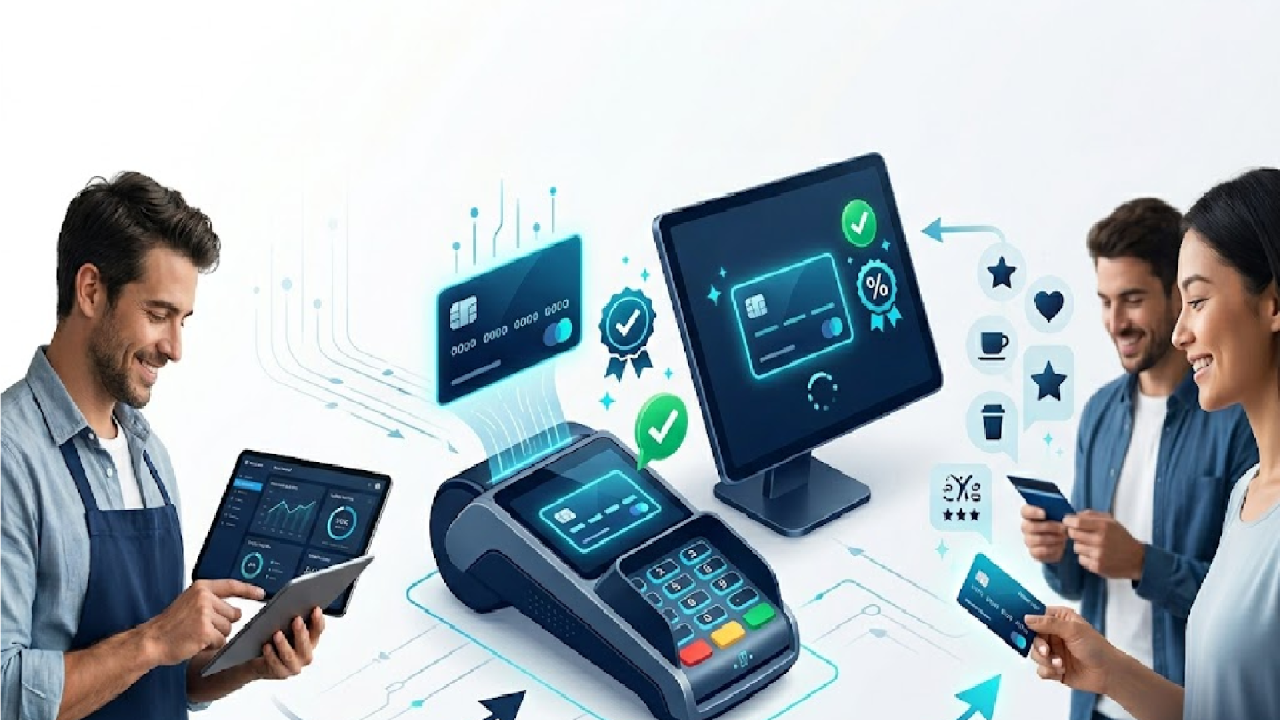
Recently I can across an old slide deck from a number of years ago that was prepared by a small group ideating around the idea of bringing together payments and loyalty. Seems like pre-historic times, but the theme is still compelling: imagine giving small and mid-sized businesses (SMBs) the ability to launch simple, card-linked rewards programs instantly: no separate apps, no complex POS integrations, no additional hardware. Customers use the card they already carry, and rewards trigger automatically at checkout. It's frictionless for everyone involved.
Obviously card-linked approaches like this are not new, and have significant consumer – and merchant – appeal. But the bigger successes to date have come from network-level programs, with rewards credited post-transaction, or from programs that require integration with POS/loyalty systems.
For payment processors, embedding micro-loyalty programs natively into the payment processing stack represents a high-potential opportunity, allowing them to extend this capability to a broader base of SMBs, and to leverage the raw material that’s a by-product of their primary business process: transactional data.
Loyalty matters to consumers more than ever. After years of training, they expect personalized, instant value from pretty much every merchant they buy from.
Yet many SMB retailers, restaurants, and service businesses ignore this because of logistical limitations, or rely on cumbersome approaches that dampen participation - enrollment stays low, data remains fragmented, and the competitive gap with larger brands widens.
Recent industry reports highlight the challenge: as the global loyalty market continues to expand rapidly, simplicity and instant gratification win. According to the Antavo AI Loyalty Cloud Global Customer Loyalty Report 2026 and supporting studies, customers increasingly demand digital rewards they can use right away, with a strong preference for programs that deliver immediate value without extra friction or apps. Traditional solutions often fall short because they add layers of complexity that busy SMB owners can't easily manage.
Payment processors sit in a unique position. Every transaction already generates rich, real-time signals: what was purchased, when, how frequently, and (via tokenized data) patterns tied to individual cards. Much of this data currently supports merchant-level analytics and reporting. The logical next step is turning those insights into automatic, in-the-moment customer-level actions through the payment flow itself.
Card-linked programs have already proven demand at scale. For example, AAdvantage Dining lets customers link virtually any credit or debit card once and automatically earn American Airlines miles (and Loyalty Points) when dining at participating restaurants, with no extra steps at checkout. Similar airline and hotel dining programs demonstrate that consumers respond well to seamless, card-based earning. On the restaurant side, platforms like Toast allow guests to link a credit card directly to a merchant's loyalty account, enabling automatic point accrual during payment at that location. These approaches reduce friction compared to traditional apps or physical cards.
The next evolution moves even deeper: true embedding directly in the payment stack. And there is one prominent early success: Verifone's partnership with Payment Loyalty integrates rewards into payment terminals themselves, enabling one-click opt-ins, automatic rule-based rewards (e.g., visit-based discounts or dynamic offers), gamification, and real-time recognition without disrupting the existing checkout flow. Solutions like Blue Ocean Loyalty, operating in EMEA, take this further with white-label, loyalty-embedded payments that activate on existing terminals with no incremental integrations needed.
Merchants using these more seamless, payment-integrated approaches have seen significantly higher adoption rates, sometimes 4–5x compared to traditional programs, along with lifts in average transaction values (12–18% in some cases) and improved repeat purchase frequency. According to Verifone’s analysis of their embedded loyalty solution with Payment Loyalty, this level of performance is achievable when rewards are triggered directly in the payment flow.
For payment processors, embedding micro-loyalty creates a virtuous circle, and there's no reason they need to partner with a third party; today, they can do it themselves without requiring a burdensome investment. Higher customer engagement generates richer transaction datasets, which in turn fuel better analytics, more precise targeting, and stronger merchant retention. It opens potential new revenue streams, whether through premium modules, performance-based pricing tied to incremental sales, or white-labeled capabilities.
Timing feels right. As we move further into 2026, trends point toward AI-powered personalization, instant value delivery, and embedded experiences becoming table stakes - even for smaller merchants. Programs that deliver micro-moments of delight (the spontaneous reward, the easy next-visit incentive) are winning share of wallet. Processors that lean into their existing data infrastructure can deliver this without forcing merchants into fragmented tech stacks.
Practical Steps to Make It Happen
If you're leading product, analytics, or merchant success at a payments organization, or an SMB operator advocating for better tools from your processor, here's a straightforward playbook to evaluate and pilot embedded micro-loyalty:
Assess your rules engine capabilities: Determine how easily you can support merchant-configurable logic for simple rewards (spend thresholds, visit-based triggers, category incentives) without heavy custom development.
Run a targeted pilot: Select 50–100 high-frequency SMBs (cafes, quick-service restaurants, local retail, etc.). Track key metrics over 60–90 days: enrollment rates, redemption velocity, same-store sales lift, and customer return frequency.
Close the analytics loop: Use resulting transaction data to auto-suggest optimized reward rules and share anonymized benchmarks back to merchants. This builds trust and demonstrates clear ROI.
Integrate into merchant communications: Position the feature as "loyalty without the app" across portals, sales materials, and partner ecosystems. Emphasize zero added friction for staff or customers.
Measure holistic impact: Go beyond redemption rates to quantify incremental revenue, changes in customer lifetime value, and improvements in merchant retention or lifetime value with your platform. Use these insights to refine and scale.
The payments world is evolving from pure facilitation toward deeper business enablement. Embedding micro-loyalty directly into the stack is one of the most practical, high-ROI ways to deliver that shift for the SMB segment that forms the backbone of many processors' portfolios.
How are those of you in payments or merchant services approaching loyalty in 2026? Does this approach resonate? What barriers or opportunities do you see? Feel free to comment or connect if you're exploring similar ideas.
View original on LinkedInWant to discuss this further?
Our team thinks about these problems every day. Let's start a conversation.
Book a discovery call